What Your Vaginal Discharge Can Tell You About Your Health
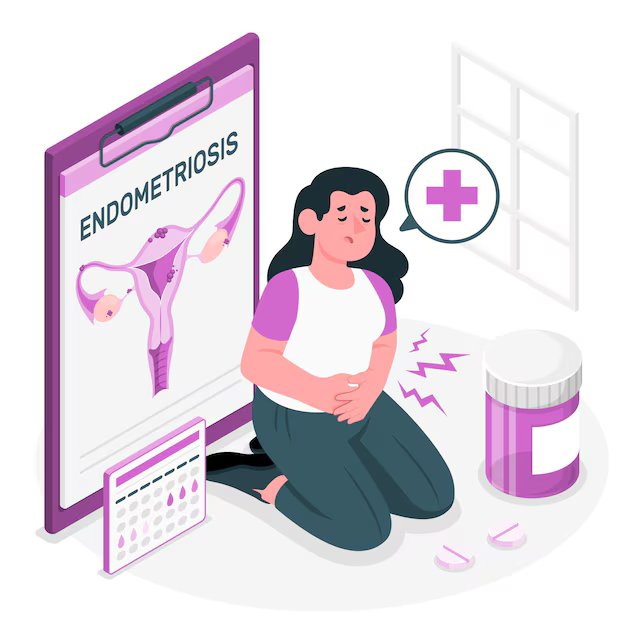
Your body has ways of communicating its health status, and vaginal discharge is one such important indicator. As a natural bodily function, vaginal discharge helps maintain vaginal health, but changes in its color, consistency, or odor can sometimes signal health concerns. Understanding what’s normal and what’s not can empower you to take control of your health and address potential issues early.
What is Vaginal Discharge?
Vaginal discharge is a fluid produced by glands in the cervix and vagina. It plays a key role in cleansing and protecting the vaginal canal, preventing infections, and aiding in reproductive processes. The amount and type of discharge can vary throughout the menstrual cycle, influenced by hormonal changes, lifestyle, and health.
What Does Normal Vaginal Discharge Look Like?
Normal discharge is typically:
- Color: Clear, white, or slightly yellowish.
- Texture: Can be thin and watery or thick and stretchy, especially during ovulation.
- Odor: Mild or odorless.
- Volume: Varies but does not cause discomfort or irritation.
What Different Types of Vaginal Discharge Can Mean for Your Health
-
Clear and Watery:
- Often seen during exercise or at certain points in your menstrual cycle.
- Indicates healthy, normal discharge.
-
White and Thick:
- Normal before your period but may signal a yeast infection if accompanied by itching or burning.
-
Yellow or Green:
- Could be a sign of bacterial infection or sexually transmitted infection (STI), especially if it has a foul odor.
-
Gray Discharge:
- Associated with bacterial vaginosis, particularly if it has a fishy smell.
-
Brown or Blood-Tinged:
- Often linked to the end of your period but may indicate hormonal imbalances, infection, or in rare cases, cervical cancer.
-
Frothy or Foamy:
- Can be a symptom of trichomoniasis, a sexually transmitted infection.
When to Seek Medical Advice
You should consult a healthcare provider if you experience:
- A sudden change in the amount, color, or odor of discharge.
- Discharge accompanied by itching, burning, or swelling.
- Persistent pain during urination or sexual intercourse.
- Bloody discharge unrelated to your period.
These symptoms could point to infections, STIs, or other underlying conditions that require treatment.
What Causes Abnormal Vaginal Discharge?
-
Infections:
- Bacterial vaginosis, yeast infections, and STIs like gonorrhea or chlamydia are common causes.
-
Hormonal Imbalances:
- Birth control, menopause, or pregnancy can alter discharge patterns.
-
Irritants:
- Harsh soaps, douching, or scented products can disrupt the vaginal environment.
-
Underlying Conditions:
- Conditions like polycystic ovary syndrome (PCOS) or cervical cancer can also impact discharge.
How to Maintain Healthy Vaginal Discharge
-
Practice Good Hygiene:
- Wash the vulva with water and avoid using harsh or scented products.
-
Wear Breathable Underwear:
- Choose cotton underwear to allow air circulation.
-
Stay Hydrated:
- Drinking water supports healthy bodily functions, including vaginal health.
-
Avoid Douching:
- Douching disrupts the natural balance of vaginal bacteria.
-
Schedule Regular Checkups:
- Routine gynecological exams help detect issues early.
Tracking Discharge for Better Health Awareness
Keeping a record of your discharge patterns can help identify changes and understand your menstrual cycle better. Apps and journals are excellent tools for tracking consistency, color, and volume.
Related Articles

How to Share the News: Announcing Your Pregnancy in the First Trimester

Mental Health During Pregnancy: Taking Care of Your Emotional Well-Being
.png)
Herbal teas that help with cramps

Calming bedtime drinks
Using a hot water bottle or heating pad

Baby development at 15 weeks

Journaling your thoughts
.png)
Period-friendly superfoods